


queres contratar?
asesorámoste gratis
de L-V de 9 a 21h e sábados de 9 a 14h
En R imos tratar os teus datos para informarche dos nosos servizos, en relación con esta solicitude ou no futuro, ata que nos retires o teu consentimento. Podes exercitar os teus dereitos con docu@mundo-r.net.
Máis info aquí.
Máis info aquí.

comproba a túa cobertura de fibra
R: telefonía móbil e internet ao mellor prezo
fibra de 500 Mb + Fixo
móbil con GB ilimitados
engade 2ª líña GRATIS
ocio TV
fibra de 500 Mb + Fixo
móbil con 30 GB
engade 2ª líña GRATIS
fibra de 500 Mb + Fixo
móbil con 10 GB
engade 2ª líña GRATIS
fibra de 1 Gb
fixo + chamadas ilimitadas
engade o mellor entretemento á túa tarifa
Podes quedarte cunha opción ou combinar opcións de cine e series cunha opción de deporte.

fibra, GB ilimitados, TV e
DAZN con LALIGA EA SPORTS

fibra, GB ilimitados, TV e
Netflix Estándar + Prime

fibra, GB ilimitados, TV e
Netflix Estándar

fibra, GB ilimitados, TV e
Prime
por que elixir R?

cobertura móbil 5G
duplicamos o número de antenas móbiles e incorporamos a tecnoloxía 5G para os nosos clientes. Navega a máxima velocidade
a maior rede de fibra
máis de 300 concellos con cobertura. Case 1,7 millóns de fogares e empresas en Galicia con acceso á nosa rede de fibra. A rede máis rápida e moderna con Fibra MAX.
máis de 650.000 clientes
máis de 650.000 clientes particulares e de empresas xa confían en nós e nas nosas dúas décadas traballando en Galicia. Anímaste a unirte?
unha wifi única e exclusiva
queremos que teñas a mellor wifi. Con R, poderás gozar da mellor tecnoloxía WiFi 5G na túa casa.opinións de clientes

Manu
Tankero
Ana Gómez
moito máis que televisión
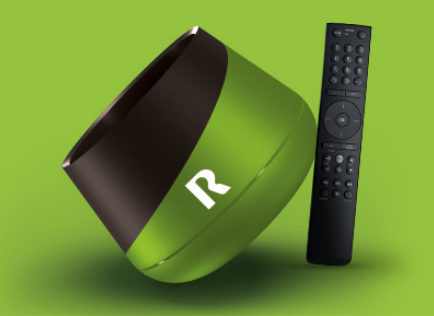
Moito máis ca televisión Deco 4k con Andorid TV: Sácalle todo o partido á túa tele coa calidade de imaxe máis real e accede a Netflix, Prime Video, DAZN, Disney+ e a miles de apps
TV Comigo: Mira as túas series e programas favoritos dende o teu móbil, tableta ou portátil. Accede tamén ás túas gravacións e a rebobina.
se queres contratar R, chámanos
Chámanos de luns a venres de 9:00 a 21:00 horas e os sábados de 9:00 a 14:00 horas.
comproba cobertura de fibra en R
queres contratar?
asesorámoste gratis
de luns a venres de 9 a 21h e sábados de 9 a 14h.
chámanos al
900 825 868
chamámoste
c2c.popup.callTitle2
Máis info aquí.
chámanos ao 1449
grazas por contactar con R!
recibimos os teus datos correctamente.
un dos nosos asesores comerciais chamarate dende o número:
981 911 360
c2c.occupiedLines.title
c2c.occupiedLines.subtitle
o máis buscado
combo infinito: fibra, móbil ∞, fixo e TVNetflix: fibra, móbil ∞, fixo, TV e Netflixmóvete 10 GB: fibra, móbil con 10GB e fixomóvete 30 GB: fibra, móbil con 30GB e fixoparella: fibra e fixooutros servizos
internet rural Galiciamóbiles e máiswifi meshinternet 2ª vivendaseguro móbilplan amigo R | gana 40€© R Cable y Telecable Telecomunicaciones SAU 2024
Info Legal
Política de privacidade
Aviso legal
Política de Cookies
Calidade de servizo
Plataforma de resolución de conflitos
Canle Ética
queres contratar?
asesorámoste GRATIS
queres contratar?
asesorámoste GRATIS